Transforming your home’s exterior with thoughtful landscaping can significantly enhance its appeal and value. A well-designed landscape not only improves aesthetics but also creates a welcoming environment. Whether you're preparing to sell or simply want to enjoy your outdoor space more, strategic landscaping can make a lasting impression. Here are several key aspects to consider when planning your landscape transformation.
Choosing the Right Plants
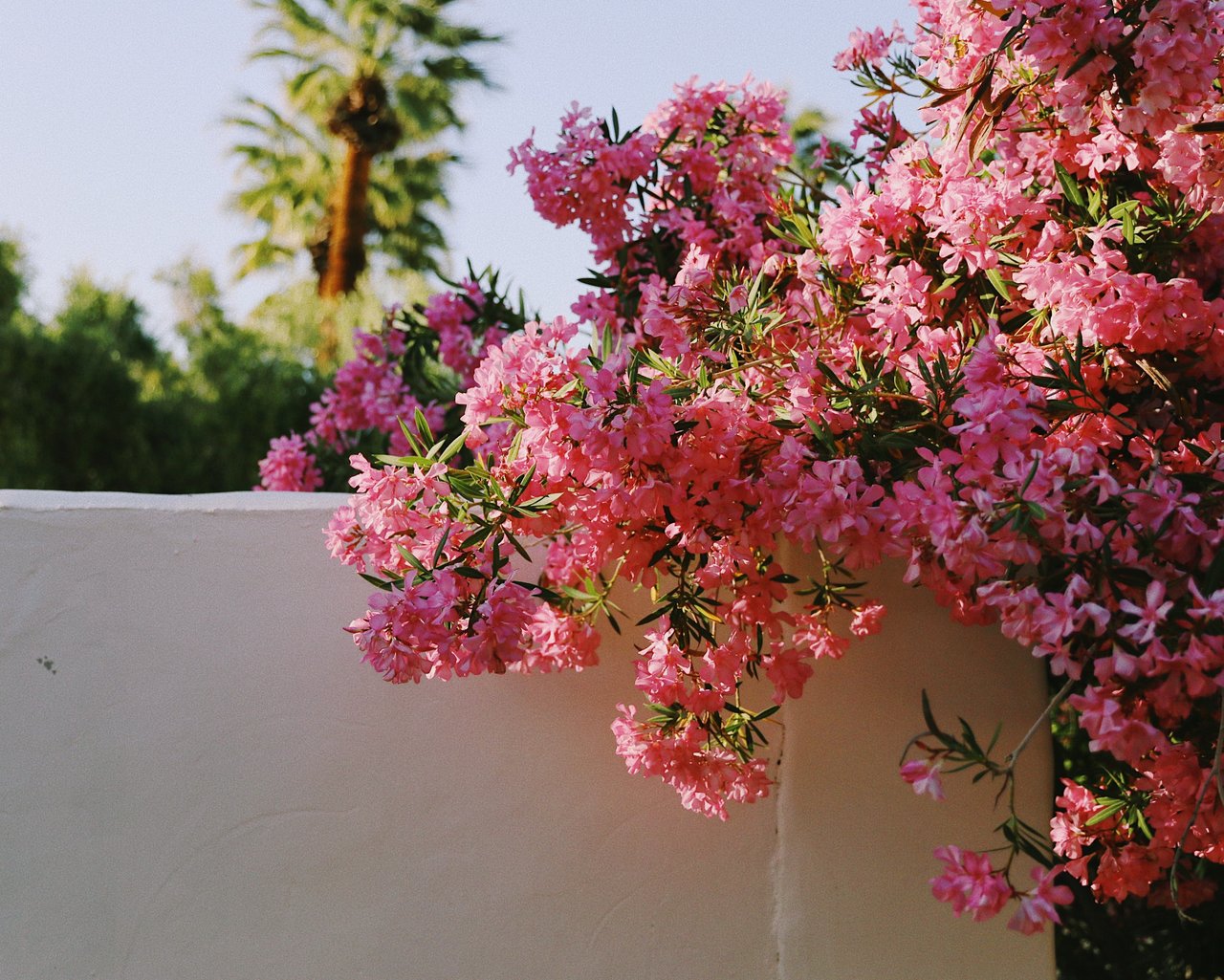
Selecting the appropriate plants for your garden is crucial for achieving a cohesive look. Consider the climate and soil conditions of your area to ensure that your plants will thrive. Native plants are often a great choice as they are adapted to the local environment and require less maintenance. Additionally, think about the color palette and texture of the plants to create visual interest. Mixing perennials and annuals can provide year-round color and variety.
Creating Functional Outdoor Spaces
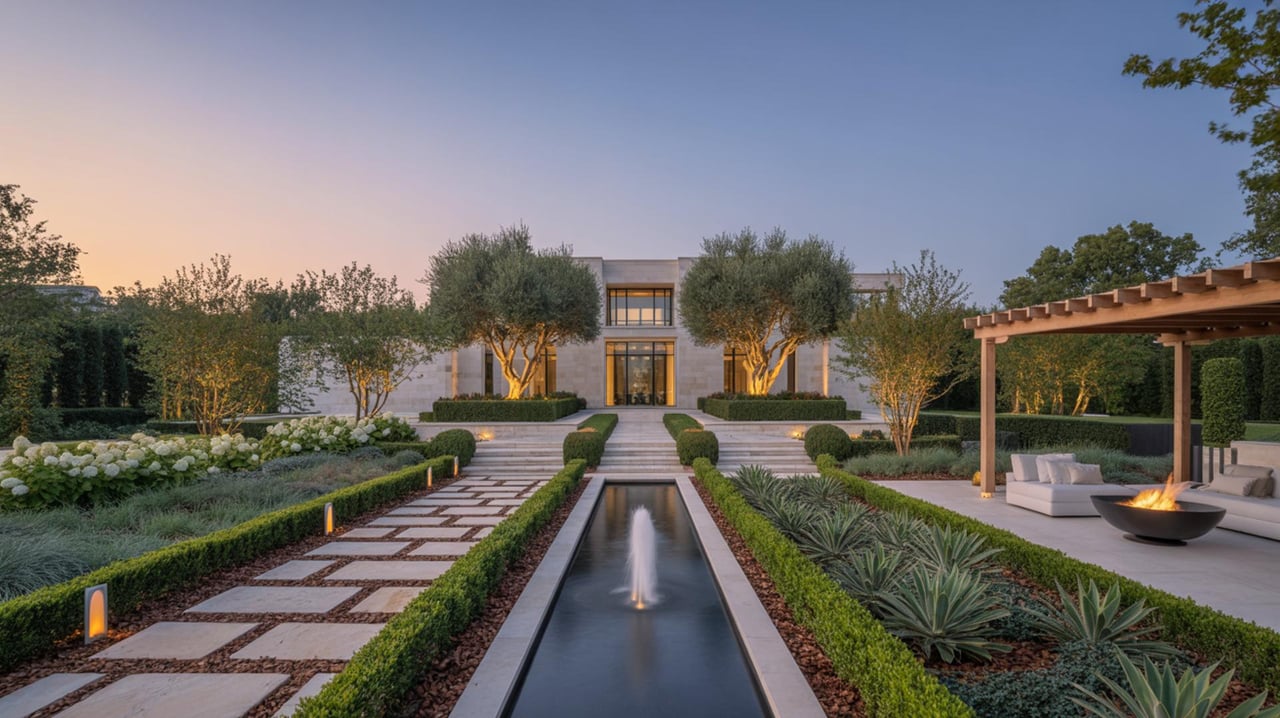
Designing functional outdoor areas can enhance the usability of your landscape. Consider incorporating spaces for dining, relaxation, and entertainment. Patios, decks, and pergolas can serve as focal points and provide structure to your garden. When planning these areas, think about the flow of movement and how each space will be used. Comfortable seating, adequate lighting, and weather protection are essential elements to consider.
Incorporating Water Features
Water features can add a sense of tranquility and elegance to any landscape. Options range from simple birdbaths to elaborate fountains and ponds. The sound of running water can create a calming atmosphere and attract wildlife. When incorporating water features, consider the scale of your garden and the maintenance required. Proper placement is also important to ensure that the feature complements the overall design.
Enhancing Curb Appeal with Pathways
Pathways not only guide visitors through your garden but also add structure and definition. Materials such as stone, gravel, or brick can be used to create paths that blend seamlessly with the landscape. Consider the width and layout of the pathways to ensure they are functional and aesthetically pleasing. Curved paths can add a sense of mystery and lead visitors to explore different areas of the garden.
Using Lighting to Highlight Features
Outdoor lighting can dramatically enhance the appearance of your landscape, especially at night. Use lighting to highlight key features such as trees, sculptures, or architectural elements. Solar lights, LED fixtures, and low-voltage systems are popular choices for energy-efficient illumination. Consider layering different types of lighting to create depth and dimension. Path lights, spotlights, and string lights can be used in combination to achieve the desired effect.
Maintaining a Sustainable Garden
Sustainability is an important consideration in modern landscaping. Implementing eco-friendly practices can reduce water usage and minimize environmental impact. Consider installing a rainwater harvesting system or using drip irrigation to conserve water. Composting and mulching can improve soil health and reduce the need for chemical fertilizers. Choosing drought-tolerant plants and reducing lawn areas can also contribute to a more sustainable garden.
Adding Vertical Elements
Vertical elements can add height and interest to your landscape. Trellises, arbors, and pergolas can support climbing plants and create a sense of enclosure. Vertical gardens are also a great option for small spaces, allowing you to maximize planting areas. When adding vertical elements, consider the scale and proportion in relation to the rest of the garden. These structures can also provide shade and privacy, enhancing the comfort of outdoor spaces.
Incorporating Edible Landscaping
Edible landscaping combines beauty and functionality by integrating food-producing plants into the garden. Fruit trees, berry bushes, and herb gardens can be both attractive and practical. Consider planting vegetables and herbs in decorative containers or raised beds for easy access. Edible plants can be incorporated into ornamental borders or used as focal points. This approach not only provides fresh produce but also encourages biodiversity.
Designing for All Seasons
A well-designed landscape should offer visual interest throughout the year. Consider the seasonal changes in color, texture, and form when selecting plants. Evergreens provide structure and color in winter, while deciduous trees offer shade in summer. Plan for a succession of blooms to ensure that there is always something in flower. Incorporating plants with interesting bark, berries, or foliage can add winter interest.
Personalizing Your Landscape
Finally, personalize your landscape to reflect your style and preferences. Incorporate elements that have personal meaning or significance, such as sculptures, art, or heirloom plants. Consider creating themed areas, such as a Zen garden or a butterfly garden, to express your interests. Personal touches can make your landscape unique and enjoyable for years to come.
Enhance Your Home's Beauty Today
Transforming your home's landscape can significantly boost its appeal and value. With the right tips and a little creativity, your outdoor space can become a lasting source of pride and enjoyment. Whether you're looking to sell or simply want to enjoy a more beautiful home, investing in landscaping is always a wise choice. For personalized advice and expert assistance, contact the Jacqueline Chernov Team today to start your journey towards a stunning home exterior.