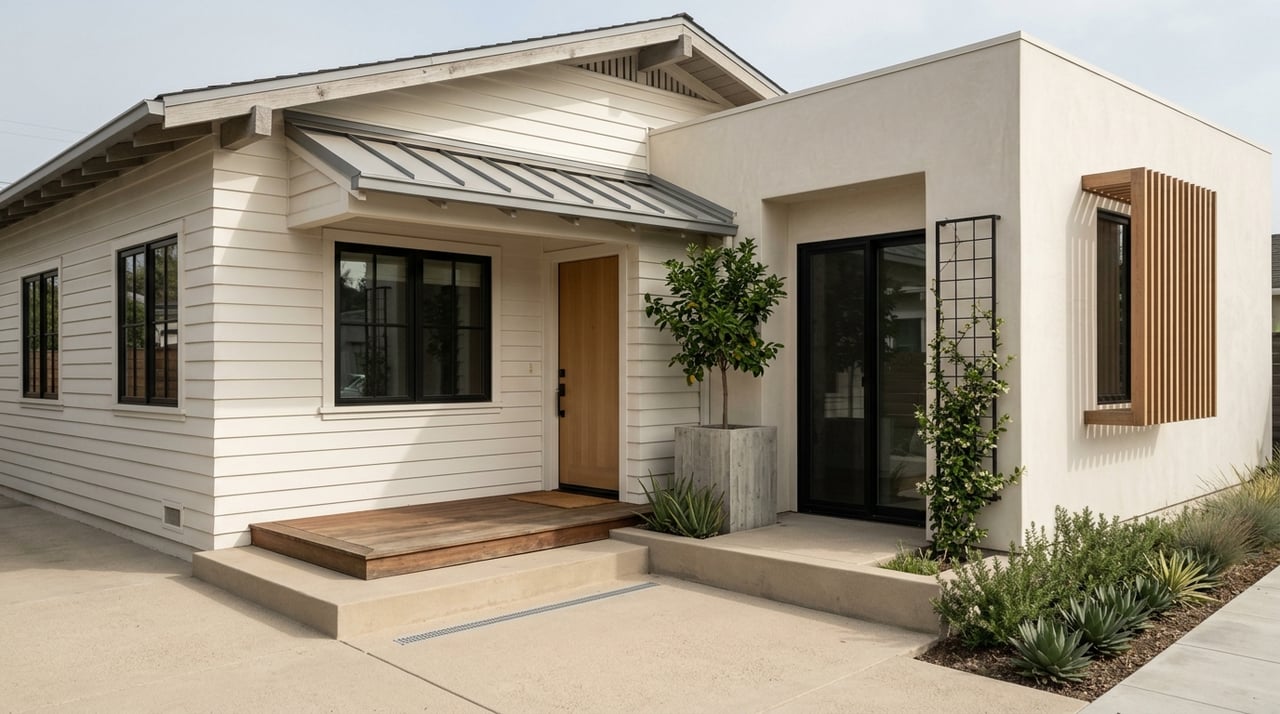
If you have ever wondered why Venice feels so different from one block to the next, the answer often starts with the homes. This neighborhood is not defined by one look or one way of living. Instead, Venice offers a layered mix of housing styles shaped by coastal planning, walkable streets, and a long-standing connection to creative, residential life. If you are trying to understand which kind of Venice home fits the way you want to live, this guide will help you sort through the options. Let’s dive in.
Why Venice feels so varied
Venice is predominantly residential, but its housing pattern is not uniform. According to the Venice Community Plan, lower-density housing is concentrated east of Lincoln Boulevard, while much of the multifamily housing sits west of Lincoln and south of Washington. The same planning framework also emphasizes pedestrian access, walk streets, mixed-use development, and small-scale local-serving commercial uses.
That planning history matters when you are house hunting. It helps explain why Venice can feel intimate and quiet on one street, then more energetic and mixed-use a few blocks away. In practical terms, your lifestyle match in Venice often depends as much on the block pattern and built form as it does on square footage.
Bungalows and bungalow courts
Original bungalows remain part of Venice’s early residential story. The Venice Canals Association notes that the area first included small one-story cottages intended for summer use, and some of those one-story bungalows still exist alongside newer homes. Historic examples like the Irvin Tabor Family Residences and Marco Place Court reflect the bungalow-court tradition built around shared outdoor space.
These homes often support a more relaxed, neighborly lifestyle. Because many bungalow settings in Venice are tied to walk streets and courtyard layouts, they tend to create a stronger connection between front doors, porches, windows, and the pedestrian path. That can make daily life feel more social and more connected to the street than in car-oriented parts of Los Angeles.
For many buyers, the appeal is not just charm. It is the scale. Bungalows and bungalow courts often suit people who want indoor-outdoor living, a simpler footprint, and a residential rhythm that feels grounded in the neighborhood rather than separated from it.
Who this style tends to suit
- Buyers who value historic character and smaller-scale homes
- People who enjoy porch, patio, or courtyard living
- Those who want a more walk-oriented daily routine
- Buyers drawn to a quieter, more community-facing setting
Contemporary boxes and modernist homes
Venice is also known for homes that make a bold architectural statement. The Los Angeles Conservancy highlights examples such as the 2-4-6-8 House, a cube-like 1978 residence, and the Norton Residence on Ocean Front Walk, which uses offset box forms and includes a small studio structure in front of the main house. These homes show how Venice modern design often emphasizes strong geometry, material contrast, and expressive volume.
The lifestyle these homes inspire is usually very different from bungalow living. Modernist and contemporary homes often appeal to buyers who want privacy, flexible space, and a design-forward setting that feels curated. They can lend themselves to entertaining, displaying art, or creating separation between living, working, and hosting zones.
In Venice, this style also aligns with the neighborhood’s long interest in experimental architecture. If you are drawn to homes that feel sculptural and visually distinct, this category may offer the strongest fit. For some buyers, the home itself becomes part of the lifestyle experience.
Who this style tends to suit
- Design-conscious buyers who want strong visual identity
- People who value privacy and flexible interior layouts
- Buyers who host often or want space that feels gallery-like
- Those looking for a more contemporary version of coastal living
Live-work lofts and artcraft spaces
In some parts of Venice, live-work living is not just a trend. It is supported by local planning. City Planning states that Commercial and Artcraft Districts are intended to allow artisans to live, create, and market their work, and the Venice Coastal Zone Land Use Plan identifies corridors where mixed-use and artist-in-residence uses are permitted alongside small businesses and artisan activity.
That gives this housing type a distinct place in the neighborhood. A live-work loft can support a lifestyle where your home, workday, and social routine are closely connected. For buyers who work remotely, run a creative business, or need flexible space throughout the day, that setup can feel especially natural in Venice.
This style also fits the pedestrian rhythm of the area. With mixed-use development and walkable commercial corridors built into the planning framework, live-work spaces often appeal to people who want to move through the day with less dependence on driving. The result can feel more integrated, efficient, and connected to the surrounding streetscape.
Who this style tends to suit
- Remote workers who want adaptable home layouts
- Creative professionals who need space to make or present work
- Founders or consultants who blend business and home life
- Buyers who prefer a walkable, mixed-use environment
Canal-front homes and waterfront living
The Venice Canal Historic District is a registered historic resource recognized by the California Office of Historic Preservation. The district includes six canals arranged in a grid with footbridges and narrow pedestrian paths, and its architecture spans Venetian villas, Spanish casitas, beach houses, ultramodern glass homes, and original one-story bungalows. The city’s canal restoration in the early 1990s helped preserve the area’s residential character.
For many buyers, canal-front living offers one of the most distinctive lifestyles in Venice. It is waterfront living, but not in the usual oceanfront sense. The canals create a setting shaped by strolling, slow biking, gardening, and daily movement along pedestrian paths rather than heavy traffic corridors.
That tends to attract buyers who want scenery and privacy, while still being close to the beach and the wider Venice experience. The canals offer a calmer residential tempo, but they remain tied to the neighborhood’s coastal identity and outdoor culture. If your ideal setting includes water views, footbridges, and a more secluded feel, canal-front homes stand in a category of their own.
Who this style tends to suit
- Buyers who want a scenic residential waterfront setting
- People who value pedestrian paths and a slower pace
- Those who want privacy while staying near the beach
- Buyers looking for a distinctive historic district experience
How to choose the right Venice lifestyle fit
When you compare Venice home styles, it helps to think beyond finishes and price point. Start with how you want your days to feel. Do you picture coffee on a porch near a walk street, a design-forward home that doubles as an entertaining space, a loft that supports your workday, or a canal property with a quieter waterfront rhythm?
A few questions can help narrow the field:
- How important is walkability to your routine?
- Do you want your home to feel social or more private?
- Are you looking for historic character or modern design?
- Do you need flexible space for work, guests, or creative use?
- Do you want to be near mixed-use corridors or in a more tucked-away residential pocket?
In Venice, these answers often point you toward a housing type before they point you toward a specific listing. That is part of what makes buying here so nuanced. The right match is usually about the lifestyle the home supports, not just the architecture itself.
Why local guidance matters in Venice
Because Venice has such a layered housing mix, the search process can move quickly from broad preferences to very block-specific decisions. A bungalow court, canal-front home, modern architectural property, and live-work space may all offer a coastal Venice address, but they can support very different ways of living.
That is where local insight becomes especially valuable. Understanding how planning, walk streets, historic districts, and mixed-use corridors shape the housing stock can help you focus on homes that truly fit your goals. In a market as distinctive as Venice, that clarity can save time and lead to a better long-term decision.
Whether you are searching for a design-forward modern home, a canal property, or a residence that captures Venice’s smaller-scale charm, the right strategy starts with matching the home to the life you want to build. For discreet, tailored guidance across Venice and the Westside, connect with the Jacqueline Chernov Team.
FAQs
What home styles are common in Venice, Los Angeles?
- Venice includes original bungalows, bungalow courts, contemporary and modernist homes, live-work lofts, and canal-front properties shaped by the neighborhood’s coastal planning and residential history.
What is the lifestyle appeal of Venice bungalow homes?
- Venice bungalows often appeal to buyers who want smaller-scale charm, courtyard or porch living, and a more neighborly setting connected to walk streets and pedestrian activity.
Are live-work lofts common in Venice?
- In certain Venice corridors and districts, live-work and artist-in-residence uses align with local planning that supports mixed-use development, artisan activity, and pedestrian-oriented commercial areas.
What makes Venice canal-front homes unique?
- Canal-front homes offer a registered historic district setting with footbridges, pedestrian paths, varied architecture, and a quieter waterfront feel that remains close to Venice Beach.
Are modern homes a big part of the Venice housing market?
- Yes. Venice includes notable modernist and contemporary homes that emphasize bold form, flexible space, and a strong architectural identity, which contributes to the neighborhood’s distinct visual character.
How should you choose the right home style in Venice?
- A strong approach is to match the home style to your daily routine, privacy preferences, design taste, work-from-home needs, and whether you prefer a tucked-away residential setting or a more mixed-use, walkable environment.