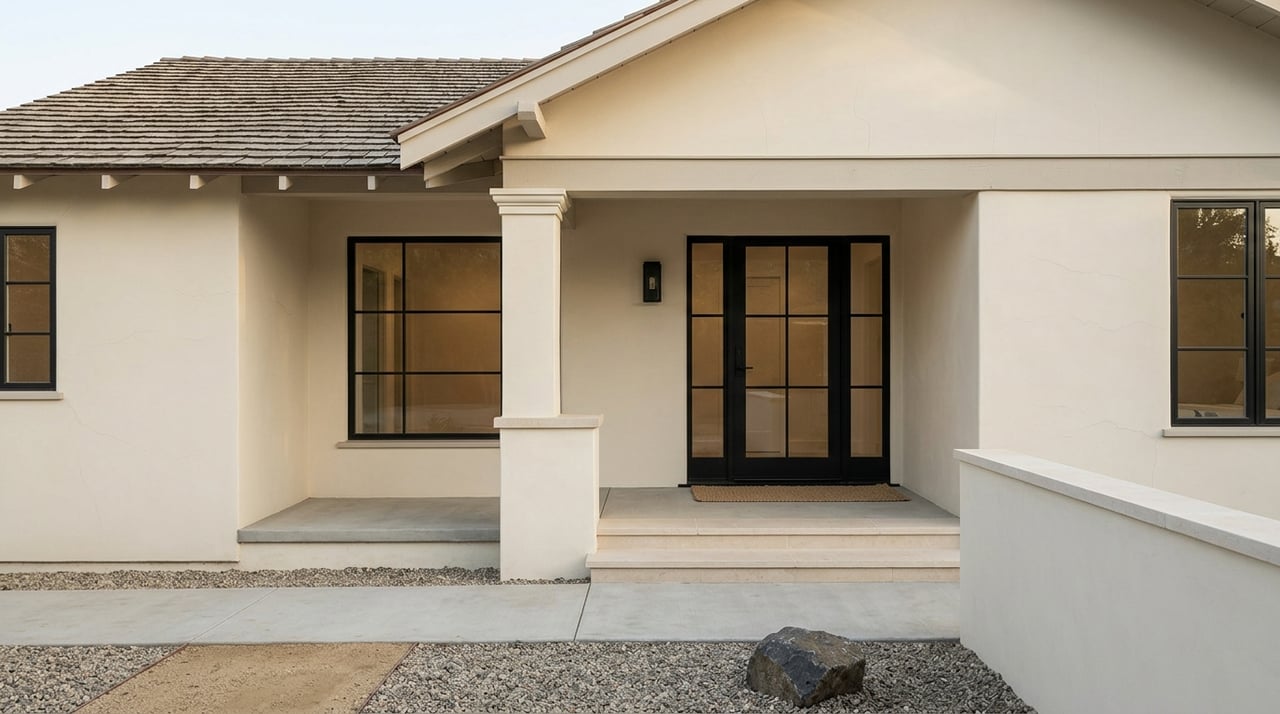
If you are weighing a sleek new build against a charming older home in West Hollywood, you are not alone. In a compact city with dense housing, limited owner-occupied inventory, and a strong preservation identity, this choice can shape not just your lifestyle, but also your future renovation options and long-term costs. The good news is that each path offers real advantages if you know what to look for. Let’s dive in.
Why this choice matters in West Hollywood
West Hollywood is only 1.89 square miles, with a population density of 18,939 people per square mile according to the 2020 Census. It also has a relatively small share of owner-occupied housing, at 19.8% in 2020 to 2024, with a median owner-occupied home value of $924,800. For you as a buyer, that means the available pool of homes can feel especially competitive and highly specific.
This is also a city where architecture and planning rules carry real weight. West Hollywood has more than 80 designated historic and cultural resources, including six historic districts. That mix gives the city much of its visual character, but it also means your decision is about more than style alone.
New builds: what you gain
Newer homes in West Hollywood often appeal to buyers who want a more predictable starting point. In many cases, you are buying current systems, more modern finishes, and fewer immediate upgrade projects. That can make the move-in experience feel simpler, especially if you want convenience and lower short-term maintenance.
West Hollywood also has mandatory green-building standards that apply to new residential projects, as well as many remodels, additions, and tenant improvements. The city says these standards incorporate drought-tolerant landscaping, low-flow plumbing fixtures, and energy-efficient appliances. In practical terms, that can translate to better efficiency and a home that aligns more closely with current building expectations.
Newer systems can reduce early surprises
One of the biggest draws of a new build is that major systems are typically newer from day one. Plumbing, electrical, roofing, and appliances often require less immediate attention than what you may find in an older property. If your priority is to settle in quickly without planning a near-term renovation, that can be a meaningful advantage.
That said, new does not mean perfect. California’s Department of Consumer Affairs notes that new homes can still develop issues such as water intrusion or foundation cracks. If you are considering new construction, it is smart to understand the builder’s repair process and review permit history before you commit.
Design review still matters
Some buyers assume that a newer home means complete flexibility later. In West Hollywood, that is not always the case. The city’s Planning and Historic Preservation Division oversees zoning and land-use review, and the Design Review Subcommittee advises on project design.
For you, that means even a newer property may face city review if you want to expand it or make notable exterior changes in the future. A home may feel finished today, but future plans should still be checked against local review standards.
Character homes: what you gain
Character homes in West Hollywood tend to win on architectural identity and neighborhood texture. The city’s historic materials highlight styles such as Craftsman bungalows, Spanish Colonial Revival courtyards, French Revival, Gothic-inspired homes, and Mid-Century Modern properties. If you are drawn to detail, history, and a more layered streetscape, older homes often offer something new construction cannot easily replicate.
This can be especially true in areas shaped by preservation-minded planning, including West Hollywood West and Norma Triangle. In these pockets, the goal of local guidelines is to keep remodels and additions compatible with the existing surroundings. For you, that often means a home that feels more rooted in its setting and less interchangeable.
Charm usually comes with tradeoffs
Older homes can deliver warmth, scale, and design details that are hard to reproduce. Original windows, built-ins, mature lot patterns, and varied facades often create a living experience that feels more personal and specific to West Hollywood. That emotional appeal is real, and for many buyers, it is the deciding factor.
Still, charm usually comes with more maintenance. California’s Department of Real Estate advises buyers of older homes to inspect electrical, plumbing, and structural integrity carefully and to expect maintenance and unexpected repair costs. If you fall in love with a character property, it helps to budget for what may be behind the walls as much as what you see in the photos.
Lead paint and efficiency deserve attention
If a home was built before 1978, lead-based paint is more likely to be present. Federal disclosure rules require known lead information to be shared before the sale or lease of most pre-1978 housing, and deteriorating paint or renovation work can create lead hazards. If you are planning updates, lead-safe certified contractors are an important part of the conversation.
Energy performance can also be different in an older home. The U.S. Department of Energy notes that many older homes have less insulation than homes built today. That is one reason weatherization and comfort upgrades often become early priorities after closing.
West Hollywood overlays and preservation rules
In West Hollywood, the details of a property’s location can matter almost as much as the home itself. Two of the most relevant planning frameworks for single-family properties are the West Hollywood West Overlay District and the Norma Triangle Overlay District. These guidelines were created to help new work fit neighborhood context and preserve the rhythm of existing streets.
For you, this means a home’s future potential is closely tied to its overlay status, historic status, and lot conditions. A property that seems full of possibility at first glance may have specific limits on additions, exterior changes, or redevelopment.
Historic status can shape future plans
If a property is a cultural resource, or sits within an historic district or conservation zone, changes may require a certificate of appropriateness. The city defines that certificate as a required condition before altering, constructing, demolishing, enlarging, relocating, remodeling, or removing a cultural resource or a structure in those protected areas.
That does not mean a historic or character home is a poor choice. It means your long-term plans should be checked early. If you hope to expand, reconfigure, or significantly alter the exterior, the approval path may be more involved than you expect.
ADU and update potential
For many buyers, future flexibility is part of the value equation. West Hollywood says ADUs can be new construction or conversions and are often approved ministerially without a hearing. Detached ADUs are commonly placed in the rear yard.
But there is an important local wrinkle. If a property is on the California Register of Historic Resources, an ADU must not be visible from a public right-of-way. In practice, that makes lot layout, visibility, and designation status essential details to confirm before you write an offer.
The lot can matter as much as the house
With older homes especially, the real upside is not just current charm. It is whether the lot, zoning context, overlay district, and historic status leave room for an addition, ADU, or smarter reconfiguration later. A beautiful house on a constrained lot may offer less flexibility than a less polished home with stronger long-term options.
The city also provides a permit and project map that buyers can use to review nearby open projects and permits. That can help you understand what may be changing around the property before you commit.
How to decide which path fits you
The better choice usually comes down to how you want to live, what level of work you can tolerate, and how important future flexibility is to you. In West Hollywood, there is no universal winner. There is only the better match for your priorities.
If you value convenience, current systems, and a more turnkey experience, a new build may be the cleaner fit. If you care more about architecture, neighborhood texture, and the possibility of shaping a home over time, a character property may offer more emotional and long-term appeal.
A practical West Hollywood checklist
Before you move forward on either type of home, it helps to confirm the same core facts.
- Year built
- Historic designation status
- Overlay district status
- Permit history
- ADU feasibility
- Lead-paint implications for pre-1978 homes
- Nearby planned projects or active permits
A careful review upfront can save you time, money, and frustration later. In a city as layered as West Hollywood, due diligence is not just a formality. It is part of buying wisely.
If you are comparing a new build with a character home in West Hollywood, the right strategy starts with understanding not just the property, but the rules, tradeoffs, and long-term fit behind it. For discreet guidance on high-end resale, new construction, and complex property decisions across the Westside, connect with the Jacqueline Chernov Team.
FAQs
What is the main difference between new builds and character homes in West Hollywood?
- New builds usually offer more current systems, green-building features, and fewer immediate repairs, while character homes usually offer more architectural identity, neighborhood texture, and preservation-related considerations.
Do West Hollywood new builds still need city review for future changes?
- Yes. Even a newer home may face city review for future expansions or exterior alterations through West Hollywood’s planning and design review processes.
Are older West Hollywood homes harder to maintain?
- They can be. Buyers should inspect electrical, plumbing, and structural integrity carefully and plan for maintenance or unexpected repair costs.
What should buyers know about pre-1978 homes in West Hollywood?
- Pre-1978 homes are more likely to contain lead-based paint, and known lead information must be disclosed before sale or lease of most such properties.
Can you add an ADU to a West Hollywood property?
- Often yes, but feasibility depends on the property. West Hollywood says ADUs are often approved ministerially, though historic status and visibility rules can affect what is allowed.
Why do overlay districts matter when buying in West Hollywood?
- Overlay districts such as West Hollywood West and Norma Triangle can shape what kinds of additions, remodels, or exterior changes are considered compatible with the neighborhood context.